Hydrostatics is the branch of fluid mechanics that studies incompressible fluids at rest.
Density
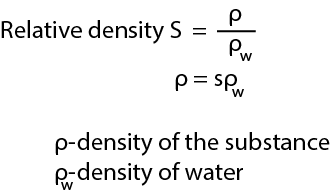
The density of a substance is its mass per unit volume. 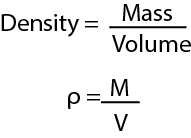
Relative density
the ratio of the density of a substance to the density of a standard, usually water for a liquid.
Pressure in a static fluid When a fluid is at rest , a force only acts at right angles.This is because a fluid cannot sustain a tangental force .When a fluid at rest forces simply act normal to the surface .

where  is the pressure,
 is the normal force,
 is the area of the surface on contact.
Pressure is a scalar quantity ,it has no fixed directions.The direction of the force exerted by the liquid is decided by the orientation of area present to the liquid.
Expression for fluid pressure
 If we consider atmospheric pressure , say it’s Po , then the pressure at depth h is given by P = Po + hρg
In a static liquid, pressures at same level in a same liquid are equal. 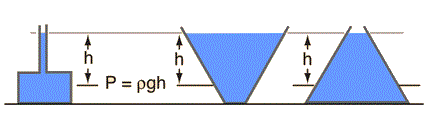
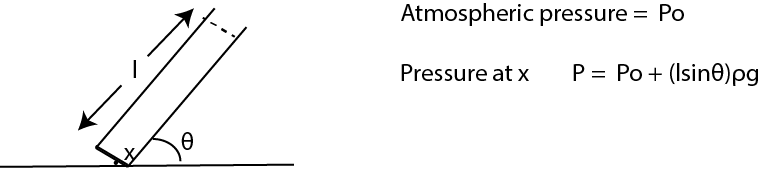
Pressure of atmosphere
Our Earth is surrounded by air upto a considerable height.This envelope of air surrounding the Earth is called atmosphere.Since air has weight, a column of air is capable of exerting pressure.It is first measured by Toricelli.
 Atmospheric pressure Po = hρg
1 atm=1.014 bar= 760 mmHg 1 torr = 1mmHg
Manometer Manometer consist of U tube, it is used to find the difference in pressures between the gas enclosed in a vessel and atmospheric pressure.
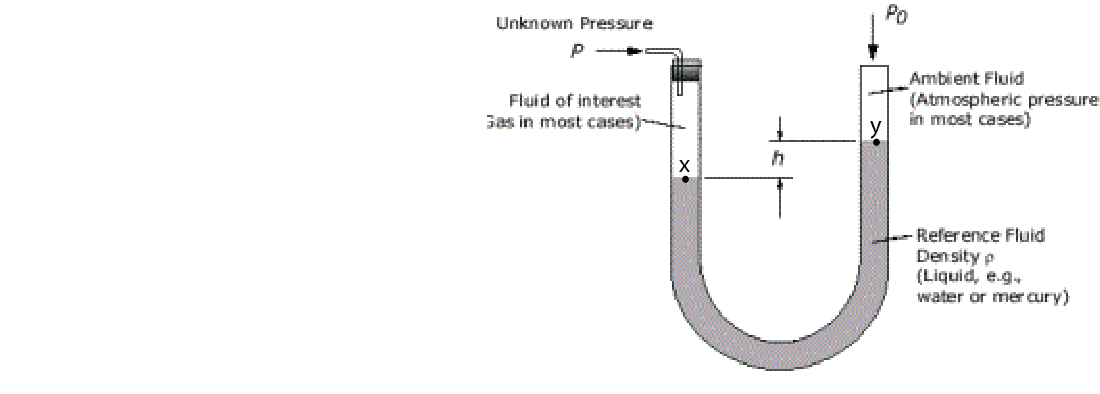
Pressure at x = Pressure at y
Unknown Pressure P = Po + hρg
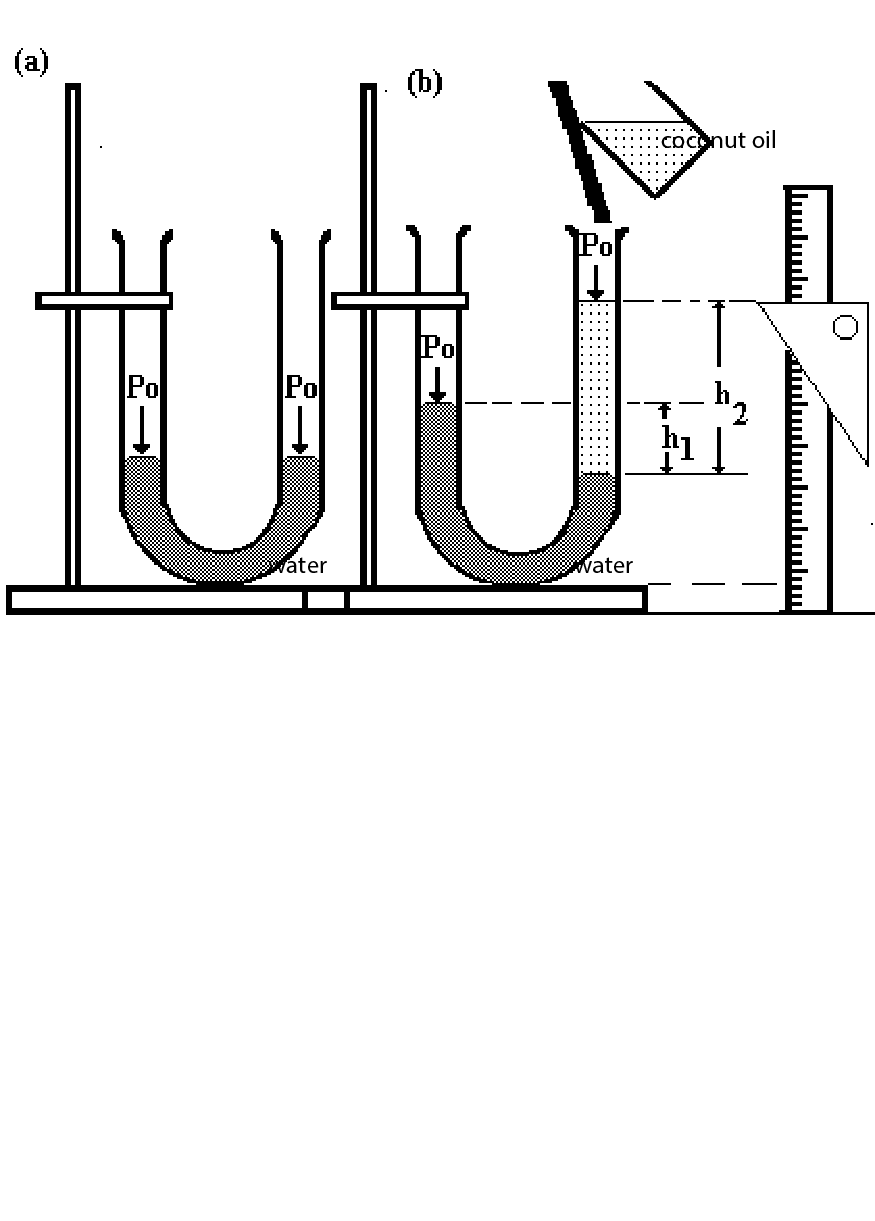
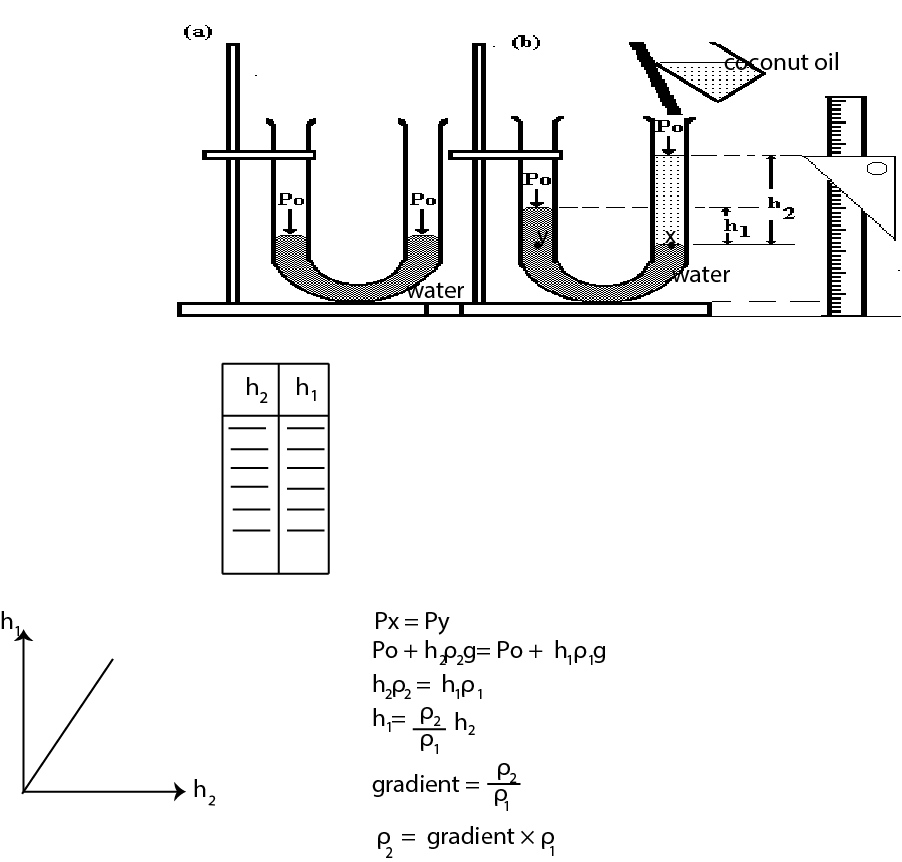
Determination of density of coconut oil using U tube
First take the water in the U tube then add coconut oil to one of the arm and give some time to settle.After it settles measure the height of coconut oil(h2) and water(h1) from common interface. To take several measurements add coconut oil and measure the heights from the common interface.
Hare’s apparatus
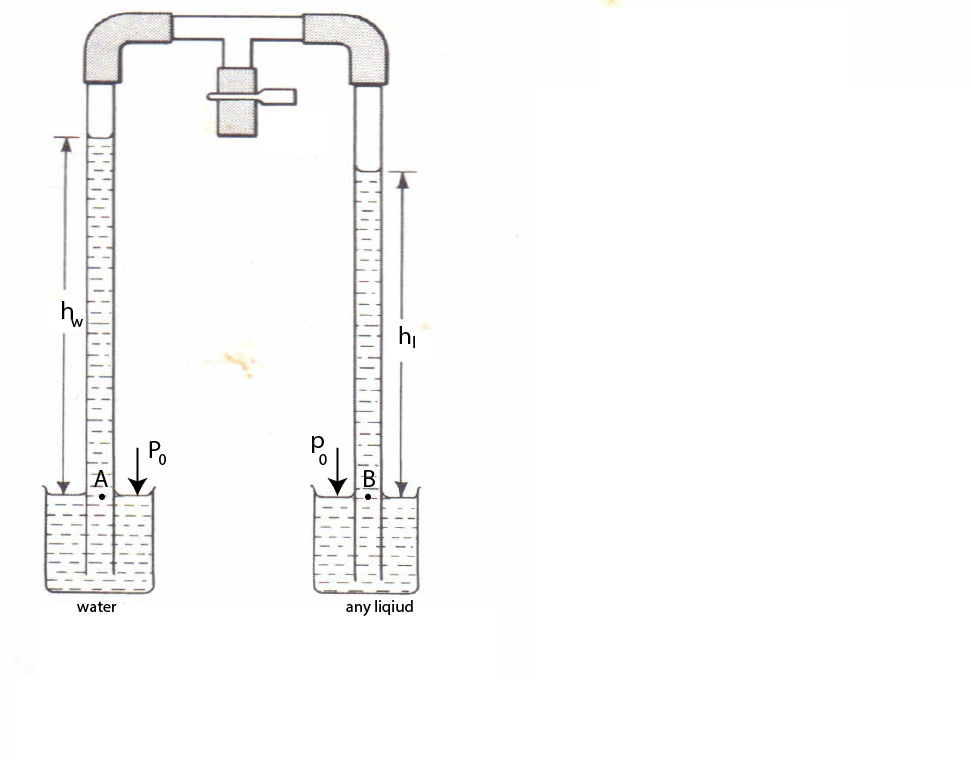 P0 – atmospheric pressure
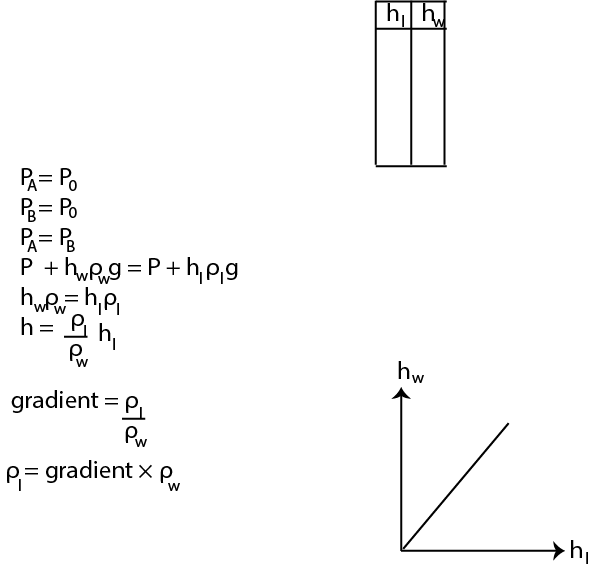
Arrange the above setup as shown in the figure .Suck the air from the tube,then the liquids in both arm rises upto maximum level.Then measure the heights hw and hl.Then reduce heights and take several sets of reading.
Pascal’s law states that a pressure change occurring anywhere in a confined incompressible fluid is transmitted throughout the fluid such that the same change occurs everywhere.
Incompressible fluid means due to the pressure the density of the fluid
The pressure acting on both pistons in a hydraulic jack is equal.
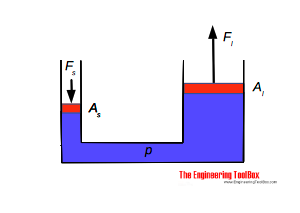
The force equation for the small cylinder Fs = p As
where Fs = force acting on the piston in the small cylinder (N) , As = area of small cylinder (m2) , p = pressure in small and large cylinder (Pa, N/m2)
The force equation for the large cylinder Fl = p Al
where Fl = force acting on the piston in the large cylinder (N) , Al = area of large cylinder (m2) , p = pressure in small and large cylinder (Pa, N/m2)
Fs / As = Fl / Al
or
Fs = Fl As / Al
It states that when a body is fully or partially emerged in an incompressible fluid at rest, it experiences an upward force equal to the weight of the fluid displaced.
When an object is placed on the surface of a liquid it will either float or sink. This depends upon two forces:
You know that the weight of an object is the product of its volume and its density. Hence,
W1 = Volume of the object (V) x Density of the object (d1)
W2 = Volume of the liquid displaced (V) x Density of the liquid (d2)
Let us see what are the different situations under which a body floats, sinks or remains submerged completely at any level in the liquid.
Case 1:
When the weight of the object W1 is equal to the weight of the liquid displaced W2, the object will stay in the position of rest completely immersed in the liquid. Here,
W1 = W2 or
V x d1 = V x d2 or d1 = d2, then the object will be floating completely immersed in a liquid as shown in figure below.

Weight of the object is equal to the weight of the liquid
Case 2:
When the weight of the object is greater than the weight of the displaced liquid, the object will sink. Here,


Thus, when the density of the object is greater than the density of the liquid, the object will sink.

Weight of the object is greater than the weight of the liquid displaced.
Case 3:-
When the weight of the object is less than the buoyant force (upthrust), the object will float on the surface of the liquid.
When the object floats, only a part of it is submerged in the liquid and volume of the liquid displaced will be less than its own volume. Let V’ be the volume of the liquid displaced by the submerged part of the object. Here


Density of the solid is less than the density of the liquid and hence the object will float.

Weight of the object is less than the weight of the liquid displaced
Hydrometer is an instrument used for determining the density of a liquid. It usually consists of a glass float with a long thin stem which is graduated. The glass float is a large hollow bulb which increases the buoyancy so that the hydrometer floats. The narrow stem increases the sensitivity of the hydrometer. The bottom of the hydrometer is made heavier by loading it with lead shots so that it floats vertically.

Steady flow All the fluid particles that pass any given point, follow the same path at same speed. In steady flow streamlines never cross each other.
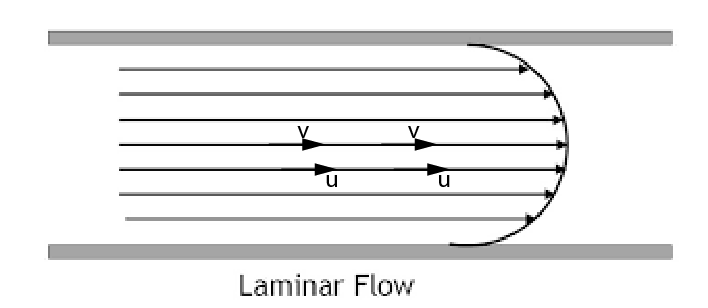
Laminar flow In laminar flow, the velocities of all the particles on any given streamline are equal.
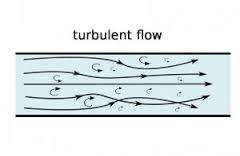
Turbulent flow Above a certain critical speed,fluid become turbulent .It is an irregular flow ,we can’t predict the motion.
Incompressible fluid
In incompressible fluid change in pressure produces no change in density of the fluid. Liquids can be considered incompressible and gases can be considered for small pressure differences.
Viscous force
When two layers of liquid are moving with different velocities they experience tangental forces which tend to retard the faster layer and accelerate the slower layer.These forces are called viscous forces.
Ideal fluid flow means a fluid incompressible,non viscous at streamline flow.
If a fluid is undergoing streamline flow then the mass of fluid which enters one end of a tube of flow must be equal to the mass that leaves at the other end during same time.
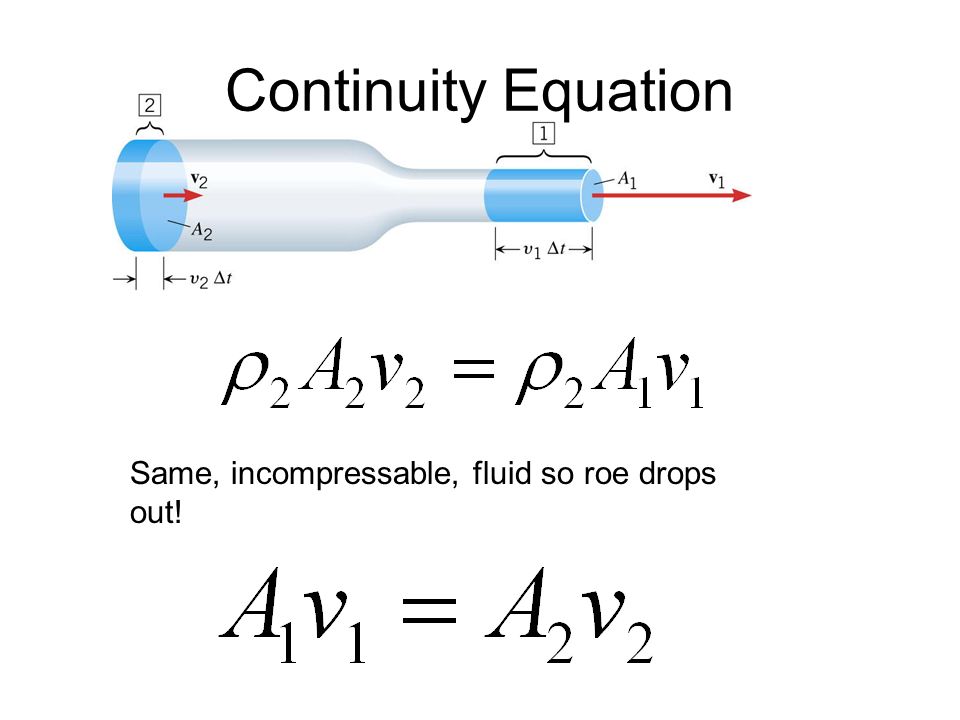
10 m3/h of water flows through a pipe with 100 mm inside diameter. The pipe is reduced to an inside dimension of 80 mm.
Using equation (2) the velocity in the 100 mm pipe can be calculated
(10 m3/h) (1 / 3600 h/s) = v100 (3.14 (0.1 m)2 / 4)
or
v100 = (10 m3/h) (1 / 3600 h/s) / (3.14 (0.1 m)2 / 4)
= 0.35 m/s
Using equation (2) the velocity in the 80 mm pipe can be calculated
(10 m3/h) (1 / 3600 h/s) = v80 (3.14 (0.08 m)2 / 4)
or
v80 = (10 m3/h) (1 / 3600 h/s) / (3.14 (0.08 m)2 / 4)
= 0.55 m/s
The kinetic energy of a moving fluid is more useful in applications like the Bernoulli equation when it is expressed as kinetic energy per unit volume

The potential energy of a moving fluid is more useful in applications like the Bernoulli equation when is expressed as potential energy per unit volume

Pressure in a fluid may be considered to be a measure of energy per unit volume or energy density. For a force exerted on a fluid, this can be seen from the definition of pressure:

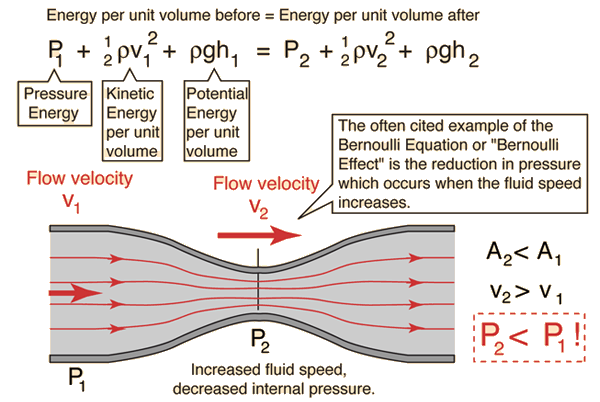
The Bernoulli Equation can be considered to be a statement of the conservation of energy principle appropriate for flowing fluids.
Applications
One of the most common everyday applications of Bernoulli’s principle is in air flight. The main way that Bernoulli’s principle works in air flight has to do with the architecture of the wings of the plane. In an airplane wing, the top of the wing is somewhat curved, while the bottom of the wing is totally flat. While in the sky, air travels across both the top and the bottom concurrently. Because both the top part and the bottom part of the plane are designed differently, this allows for the air on the bottom to move slower, which creates more pressure on the bottom, and allows for the air on the top to move faster, which creates less pressure. This is what creates lift, which allows planes to fly. An airplane is also acted upon by a pull of gravity in which opposes the lift, drag and thrust. Thrust is the force that enables the airplane to move forward while drag is air resistance that opposes the thrust force.
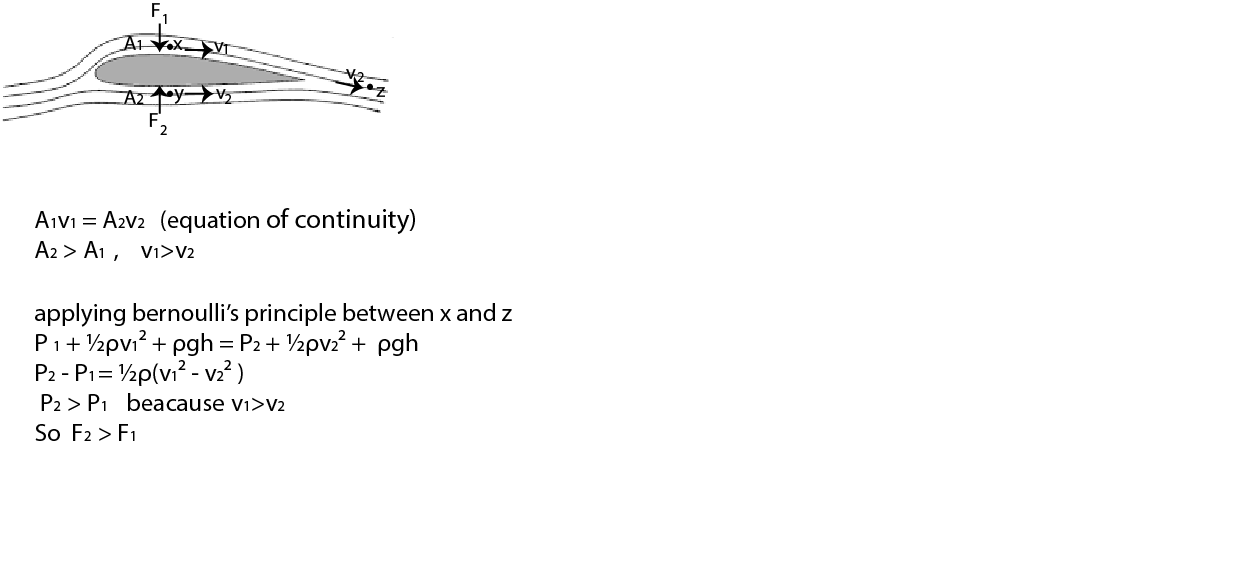

The pressure in the first measuring tube (1) is higher than at the second (2), and the fluid speed at “1” is lower than at “2”, because the cross-sectional area at “1” is greater than at “2”.

A flow of air through a venturi meter, showing the columns connected in a manometer and partially filled with water. The meter is “read” as a differential pressure head in cm or inches of water
The Venturi effect is the reduction in fluid pressure that results when a fluid flows through a constricted section of a pipe.
In fluid dynamics, a fluid’s velocity must increase as it passes through a constriction in accord with the principle of mass continuity, while its static pressure must decrease in accord with the principle of conservation of mechanical energy. Thus any gain in kinetic energy a fluid may accrue due to its increased velocity through a constriction is balanced by a drop in pressure.
By measuring the change in pressure, the flow rate can be determined, as in various flow measurement devices such as venturi meters, venturi nozzles and orifice plates.
Using Bernoulli’s equation in the special case of steady, incompressible, non viscous flows along a streamline, the theoretical pressure drop at the constriction is given by:
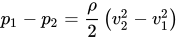
where  is the density of the fluid,
  is the (slower) fluid velocity where the pipe is wider,
  is the (faster) fluid velocity where the pipe is narrower (as seen in the figure)
| Just before collision |  |
| During collision | |
| After collision |
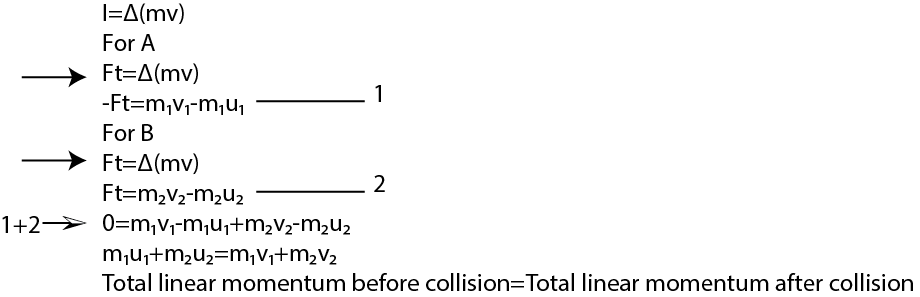
The total linear momentum of a system of interacting bodies on which no external forces are acting remains constant.
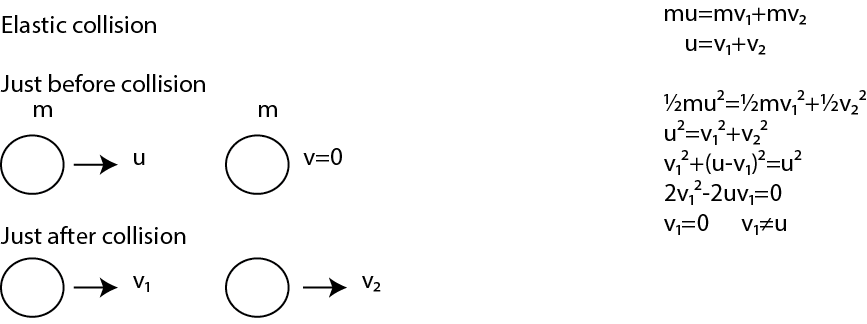
During collisions, total kinetic energy just before the collision is equal to total kinetic energy just after the collision.
Total kinetic energy is not conserved just before or after collision
After the collision both objects move together. 


Linear momentum
Linear momentum is a vector quantity defined as the product of an object’s mass m and its velocity v. Linear momentum is denoted by the letter p .
Note that a body’s momentum is always in the same direction as its velocity vector. The units of momentum are kg m/s.
Law of conservation of linear momentum
The total linear momentum of a system of interacting bodies on which no external forces are acting remains constant.
Collisions
Let a constant force (f) act in the same direction in which the particle is moving . Initial and final velocities are u and v,time taken – t. 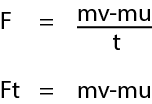 Ft is an important quantity in dynamics.It has been named as impulse.
Impulse is a vector quantity.Direction of impulse is the direction of force.
Applications
(i) A cricket player lowers has hands while catching the ball : by doing so the time of impact increases and hence the effect of force decreases.
(ii) When a person falls from a certain height on floor, he receives more injuries as compared to falling on a heap of sand. It is because the Cemented floor does not yield whereas the sand yield there by increasing the time of impact hence decreasing the impact of force.
(iii) The shock absorbers provided in the vehicle helps to travel smoothly on an uneven road. It is because the shockers increases the time of impulse which reduces the force.
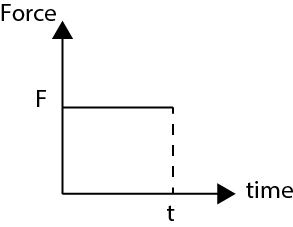 In a force – time graph area between the graph and the time axis gives the impulse.
Area=F×t=impulse
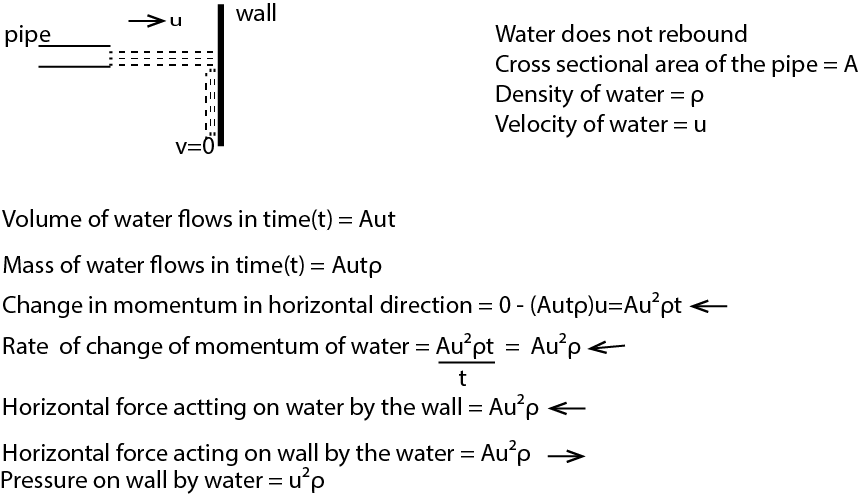
Force due to water flow
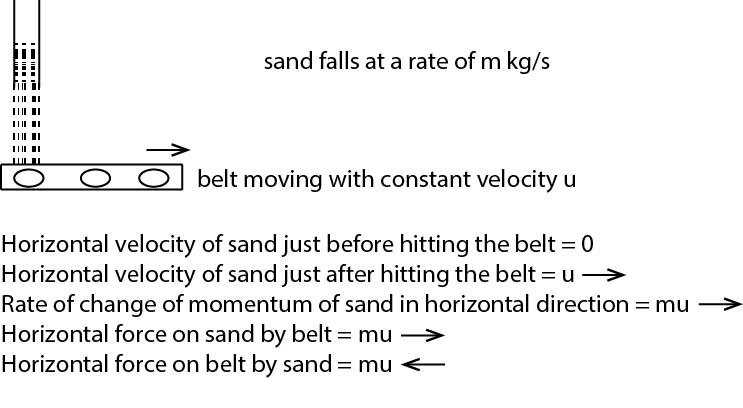
Conveyor belt
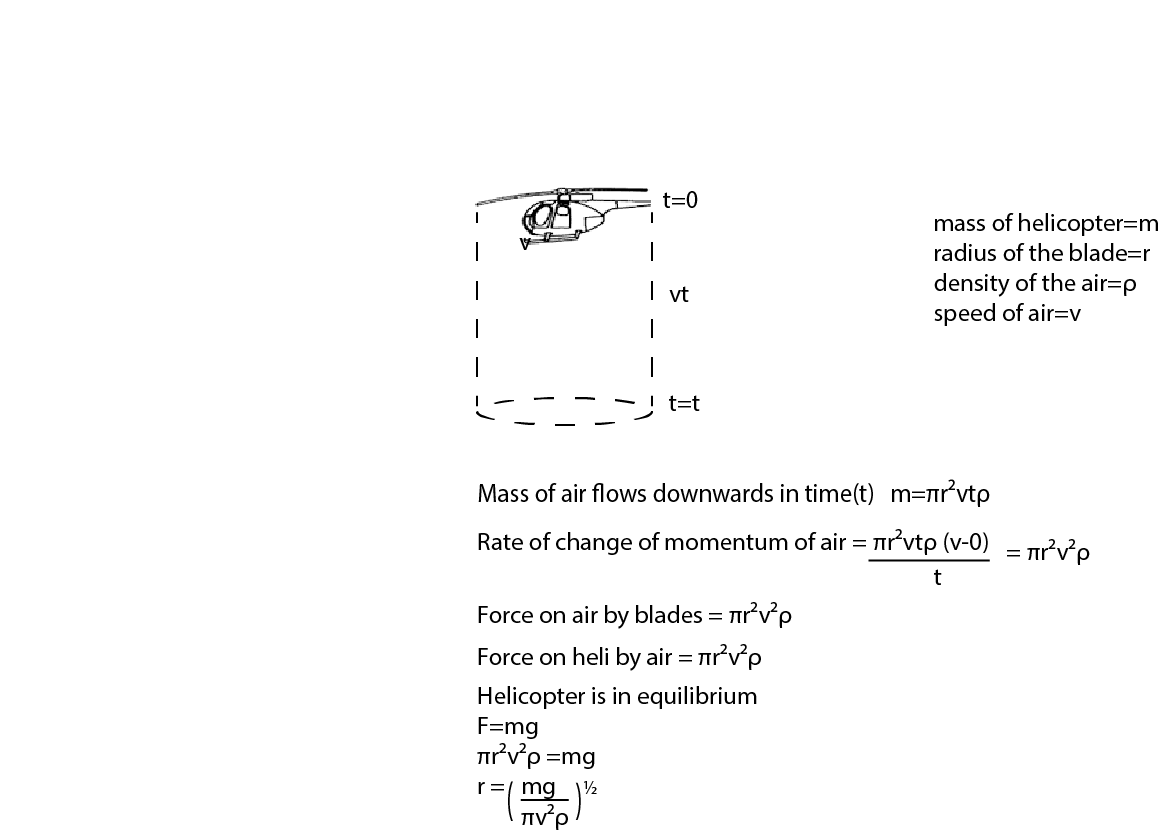
Force on helicopter blades
Length – Meter ruler , Vernier caliper , Micrometer screw guage , Spectrometer , Travelling microscope
Mass – Electronic balance , Triple beam balance
Time – Stop watch , Digital clock
Least count
Vernier caliper
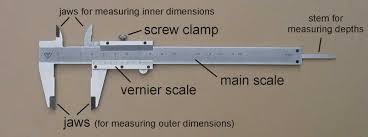
Internal jaws – for measuring inner dimensions
External jaws – for measuring outer dimensions
Depth bar – for measuring depths
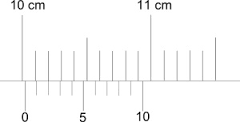 Least count = 0.1 mm
Reading =main scale reading + vernier scale coincide × least count = 100+2×0.1=100.2 mm
Zero error and correction
The instrument is said to have if the zero of the main scale doesn’t coincide with the zero of the vernier scale when the two jaws of vernier caliper are brought into contact.
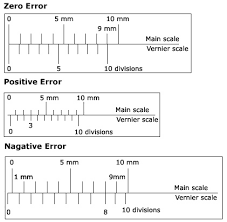
Zero error = 0.3 mm
Correction = -0.3 mm
Zero error = 0.8 mm
Correction = +0.8 mm
Micrometer screw guage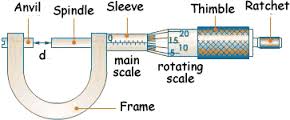
Pitch – It is the linear distance moved by thimble along the main scale when the thimble is given one rotation.
Least count = Pitch/Number of divisions in the circular scale
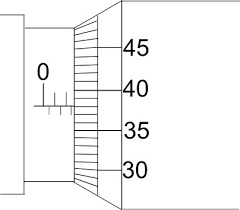 Main scale – 0.5 mm divisions Least count=0.01mm
Reading = 2.5 + 38 ×0.01 = 2.88 mm
Zero error and correction
Spherometer
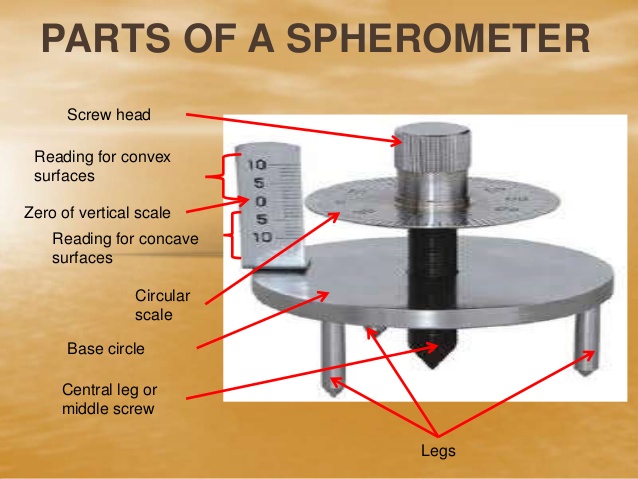
Pitch = It’s the linear distance moved along main scale when circular scale is given one completed rotation.
Least count = Pitch/Number of divisions in the circular scale.thDetermination of the radius of curvature of a spherical surface
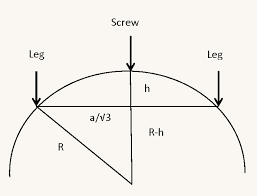
R = a2/6h + h/2
a = distance between two legs
Travelling microscope
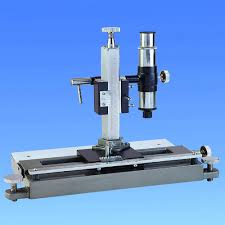
The principle component of a travelling microscope is it’s microscope. It enlarges the diameter so measurement can be done easily.

There are three types of physical quantities.
The internationally accepted standard units and dimensions of the physical quantities are given below.
Fundamental physical quantities SI unit Dimensions
Supplementary physical quantities
Derived physical quantities
| Physical quantity | Unit | Dimesion |
|---|---|---|
| Speed | ms-1 | LT-1 |
| Velocity | ms-1 | LT-1 |
| Acceleration | ms-2 | LT-2 |
| Pressure | kgm-1s-2 =Pa | ML-1T-2 |
| Work | kgm2s-2=J | ML2T-2 |
| Energy | kgm2s-2=J | ML2T-2 |
| Power | kgm2s-3=W | ML2T-3 |
| Frequency | s-1=Hz | T-1 |
| Area | m2 | L2 |
| Volume | m3 | L3 |
| Density | kgm-3 | ML-3 |
Pysical quantities which can be defined in terms of fundamental quantities are called derived quantities.
Scalar quantities
Physical quantities which has magnitude are called scalars.
Vector quantities
Physical quantities which have magnitude and direction are called vectors.
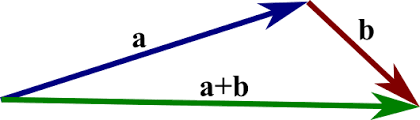
Any vector can be represented by a segment of straight line.Length of the straight line represents the magnitude of the vector and direction of the straight line represents the direction of vector.
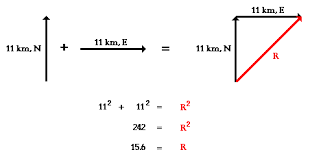
Vector addition